British Piers
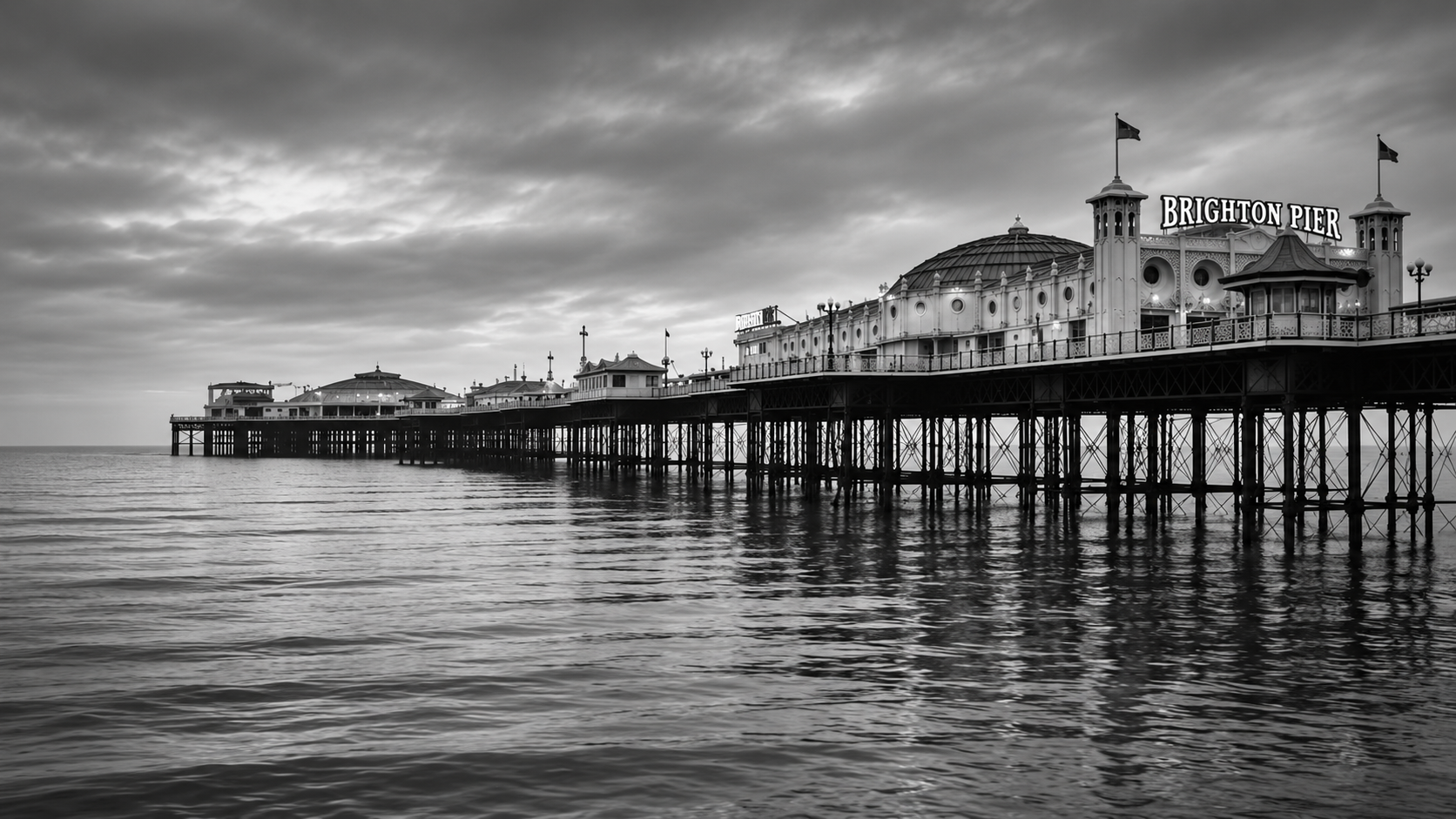
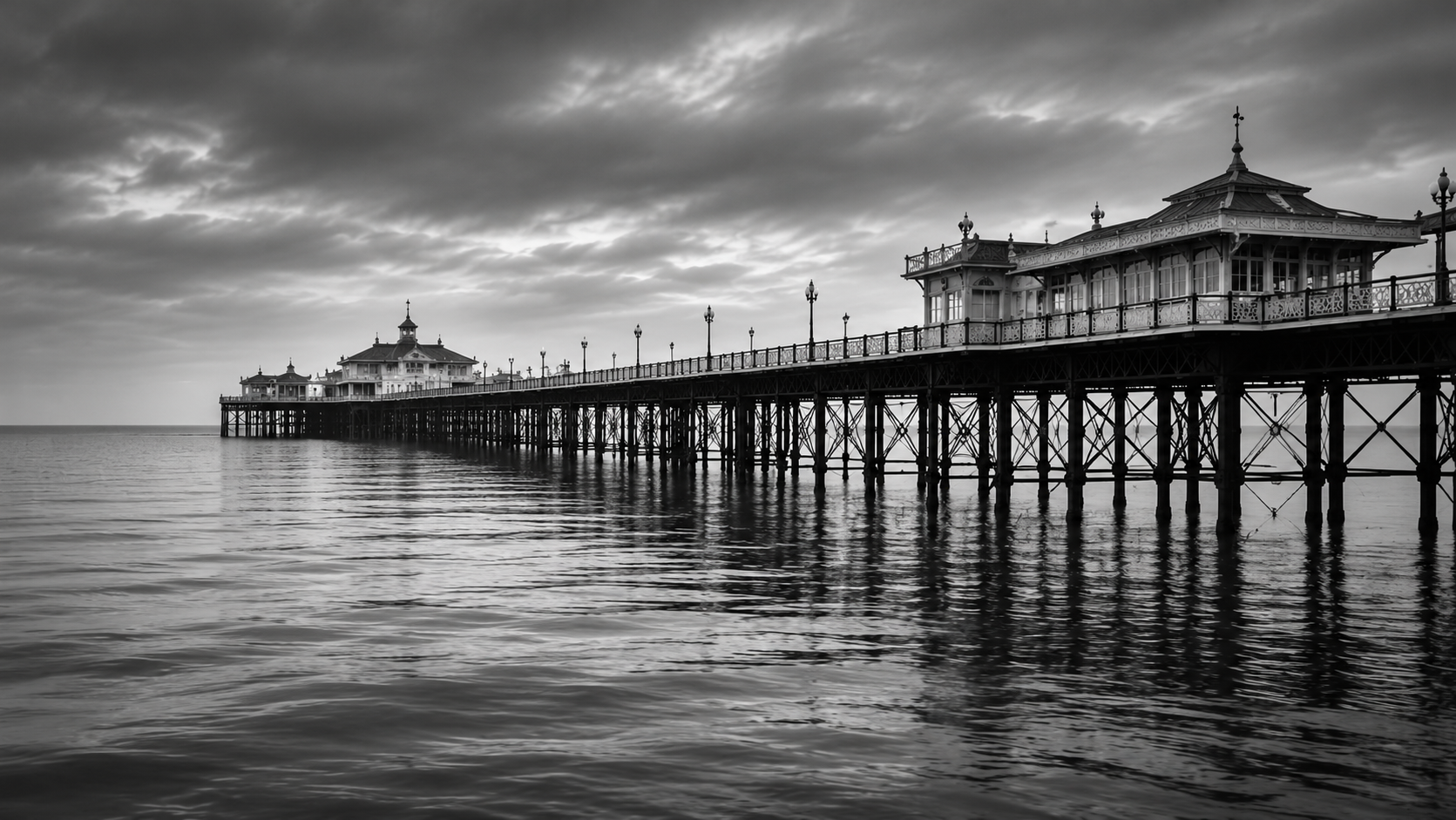
Travel has always been an important part of my life, both personally and professionally. My work as a chauffeur has taken me across Britain, throughout Europe and further afield, accompanying musicians on tour, transporting private clients and visiting places I might otherwise never have discovered. Over the years, I have come to appreciate not only the destinations themselves, but also the journeys, the changing landscapes and the unexpected opportunities to see the world from a different perspective.
Perhaps it is therefore unsurprising that I have developed a particular affection for British piers.
There is something wonderfully characteristic about these structures. They belong to the history of the British seaside, with its traditions of holidays, promenades, entertainment and the simple pleasure of being beside the sea. Many have stood for well over a century, witnessing generations of visitors, changing fashions and the gradual transformation of the towns around them.
Yet what fascinates me most is the peculiar nature of the pier itself.
A pier is, in a sense, a road that continues beyond the land. It invites us to walk towards the horizon, leaving the familiar solidity of the shore behind and venturing out above the water. There is something both adventurous and reassuring about this experience. We are surrounded by the sea, yet remain connected to the land by a narrow structure built by human hands.
For someone whose life has involved so much travelling, this relationship between movement, destination and the open horizon holds a particular attraction.
I am also drawn to the architecture of these places: the delicate ironwork, the repetition of supporting columns, the long perspectives and the sometimes rather eccentric buildings that appear to float above the water. Some piers retain much of their original grandeur, while others bear the marks of time, weather and changing fortunes.
Each has its own character and its own history.
Water, too, has become a recurring element in my photography, although often in quite different ways. In my London photographs, rain creates reflections, movement and unexpected distortions. In my series of broken umbrellas, it becomes something from which we seek protection. With British piers, water offers an entirely different experience: openness, distance and the possibility of looking beyond our immediate surroundings.
There is also an interesting contrast between the movement of the sea and the apparent permanence of the pier. The water is constantly changing, responding to the weather, the tides and the light, while the structure stands above it, anchoring the scene. Even the most familiar pier can appear remarkably different from one visit to another.
Through this project, I wanted to explore these relationships between architecture, landscape, movement and memory, while celebrating a particularly British tradition.
For me, photographing piers is about more than recording historic seaside structures. It is about the experience of travelling, arriving somewhere, and discovering that the journey can continue a little further.
After all, there is something irresistible about a path that leads us towards the horizon, even when we know that eventually we must turn around and come back.