Dead Brolly Syndrome
As a Londoner, I have always had a certain affection for British weather, whatever its reputation elsewhere in the world. Rain is such an essential part of London's character that it is difficult to imagine the city without it. And, of course, where there is rain, there are umbrellas.
The umbrella is almost as recognisable a feature of London life as a black cab, a red postbox or a double-decker bus. It is an ordinary object, yet one that tells us something about the people who carry it. Much like our choice of footwear, clothing or hairstyle, an umbrella can reveal a little of our personality, habits and attitude towards the world.
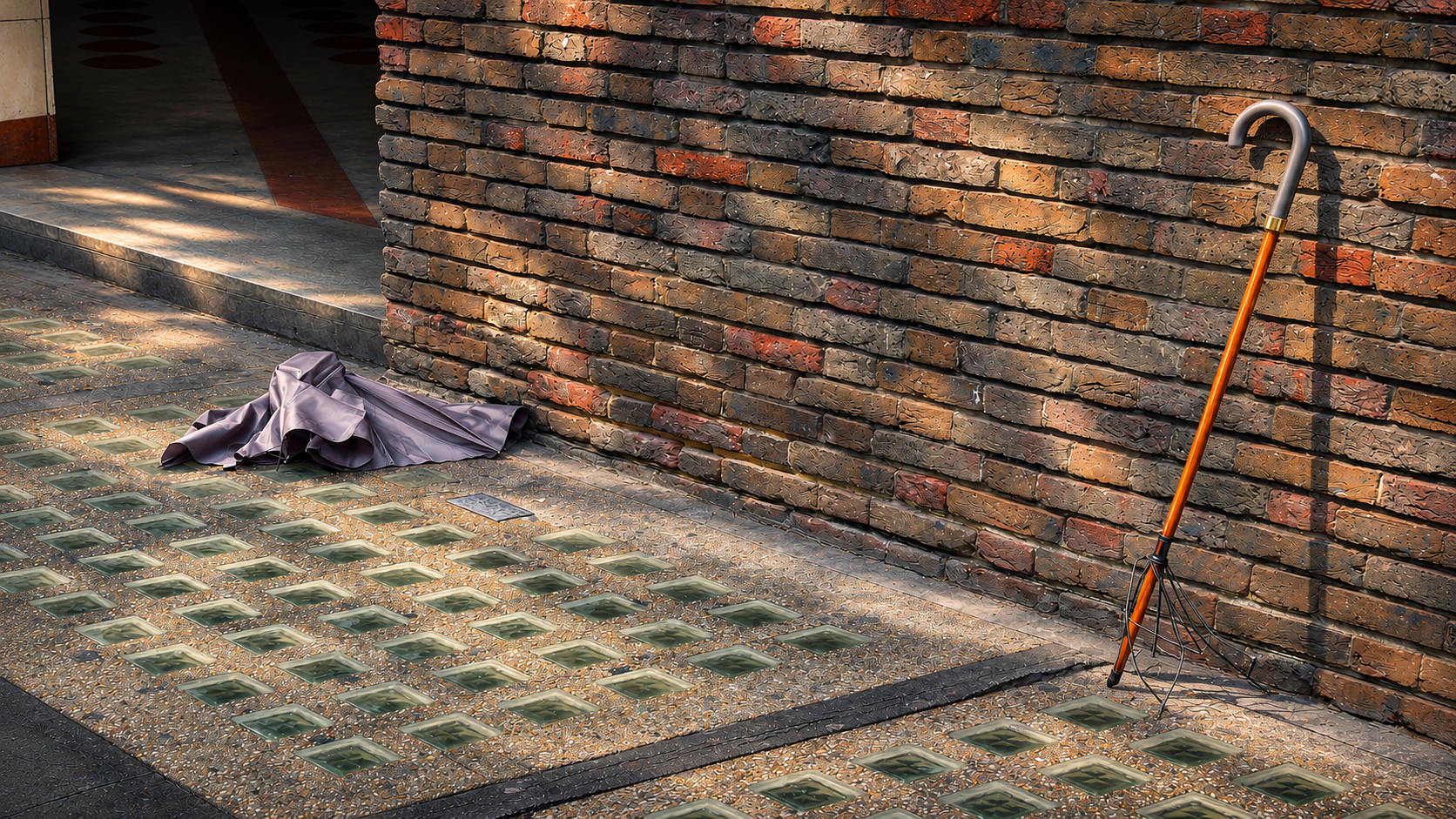
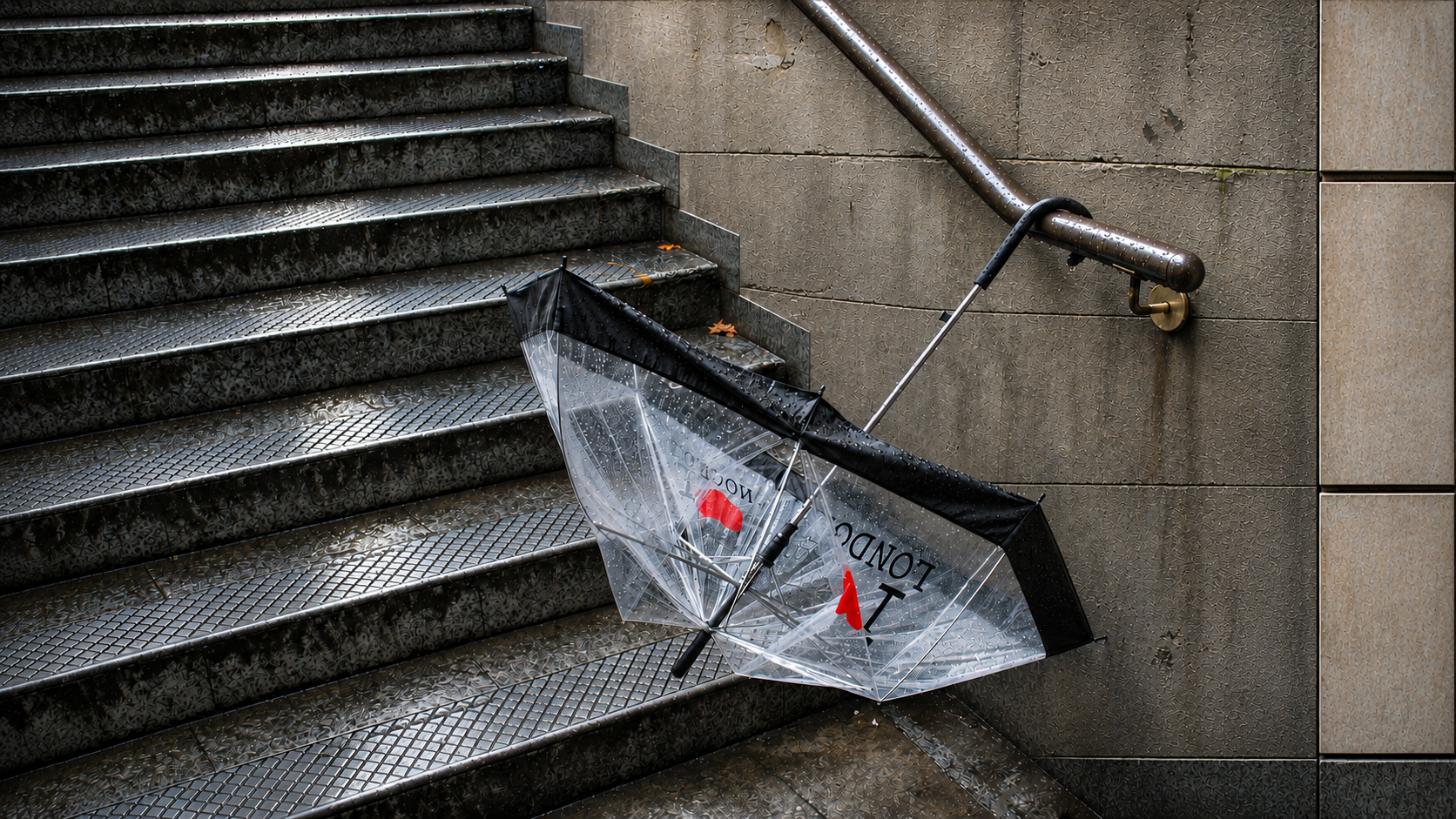
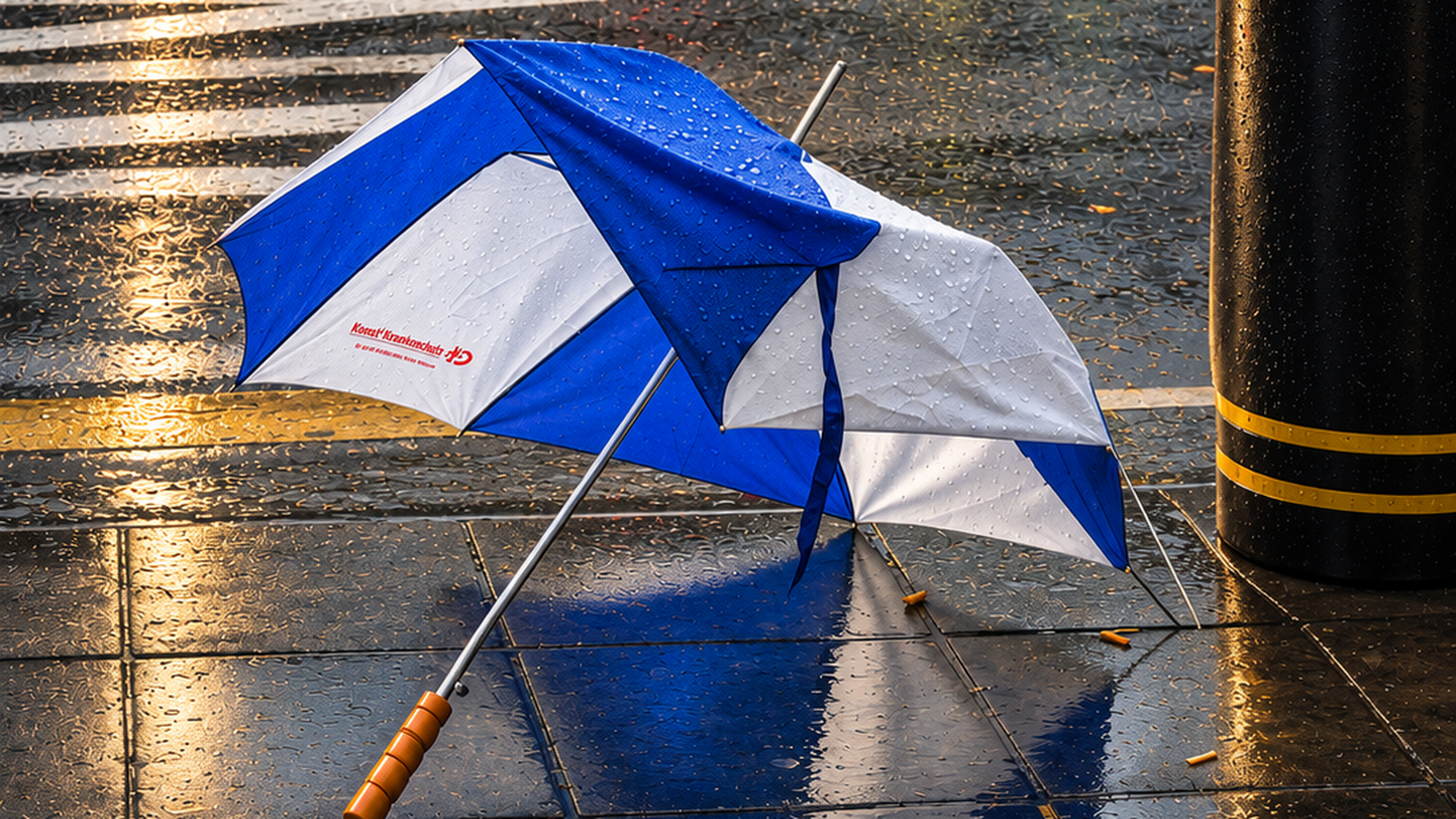
For several years, as I walked around London, I developed a particular fascination with umbrellas that had been lost, abandoned or broken. I began photographing them wherever I came across them. Some were lying in puddles, others were caught against railings, collapsed beside rubbish bins or left in the most unexpected places. Each seemed to have acquired a character of its own.
What began as a simple observation gradually became an ongoing photographic project, eventually producing a collection substantial enough for me to publish a small book.
I find something particularly intriguing about these discarded objects. Every abandoned umbrella suggests an untold story. Who carried it? Where were they going? Was it defeated by a sudden gust of wind, or simply forgotten when the rain stopped? There is something faintly comical, sometimes rather melancholy, about an object designed to protect us from the weather becoming a casualty of that very weather.
But my interest in umbrellas also connects with a broader fascination with water and our experience of it.
In my photographs of British piers, water represents openness, distance and possibility. A pier invites us to walk away from the familiar shore, towards the horizon, into an expanse where land gradually gives way to water and sky.
An umbrella offers almost the opposite experience.
When we open an umbrella, we create a small, temporary shelter around ourselves. We carry our own little roof through the city, separating ourselves from the rain while remaining surrounded by it. There is something rather comforting about this personal space, a sense of warmth, protection and enclosure, even as the weather continues around us.
And when the umbrella breaks or disappears, that protective boundary is suddenly lost.
The rain is no longer simply something happening outside our little shelter. It touches our faces, runs down our clothes, falls around us and collects beneath our feet. We become directly exposed to the elements, and our experience of the city changes.
Perhaps that is what I find most fascinating about the broken umbrella. It represents a small interruption in the ordinary arrangements of daily life, a moment when something familiar ceases to function and we must adapt.
Through this project, I wanted to draw attention to these seemingly insignificant objects and the stories, associations and feelings they can evoke. A broken umbrella may appear to be nothing more than a piece of rubbish on a London pavement. Yet, when we stop to look, it becomes evidence of someone's presence, an encounter with the weather, and a small fragment of the city's continuing life.
Sometimes the most ordinary things become interesting simply because we take the time to notice them.